Visualizing Solar Panels
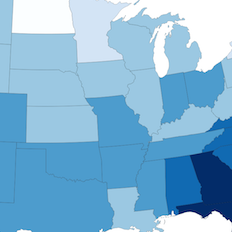
An analysis of data from The Open PV Project show the correlation between income level and solar panel usage across the United States.

What are solar panels?
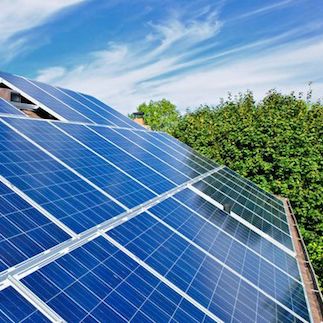
Solar energy is a renewable, clean way to create power. Solar panels harness the sun's energy and make the energy usable. Solar energy is a good way to replace fossil fuel as the major energy source. Solar power is renewable at no cost. Solar panels are able to harness the energy from the sun and convert it to electricity. Solar panels are environmentally friendly. Today, 12.7 million American homes are powered by solar panels.
How do solar panels work?
Solar panels contain small units of photovoltaic cells. When the sun hits these cells, it knocks electrons from their atoms. The electrons move throughout the cell and generate electricity. In bigger facilities, solar-thermal power plants use other techniques to capture the sun's energy as a heat source. The heat then is used to boil water to operate a steam turbine that eventually creates electricity. This method is used in different types of power plants. It supplies electricity for millions of people.
What's the cost of solar panels?
Solar panels used to be reserved for those who were wealthy. However, the price of solar panels is decreasing rapidly. There is an access to solar panels for people all over the United States. In the early 2000s, the average U.S. solar panel system was $10 per watt. In 2013, the price per watt was just below $4. Today, the average solar panel cost in the US is $2.98 per watt. Having solar panels is incredibly important and is one step to making the Earth a cleaner place.